I understand that another wave of freeze hit Winchester and other parts of the state this morning (April 21), and in some areas it caused additional damage—on top of what we already saw on April 8. It’s been a tough stretch, no question. That said, the situation is not uniform across the state. I’ve been hearing from several locations, especially in and around central Virginia, where growers are still expecting a near full crop. For those blocks, thinning is still very much on the table, and that’s really who this update is for.
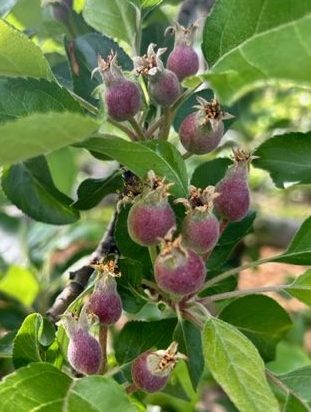
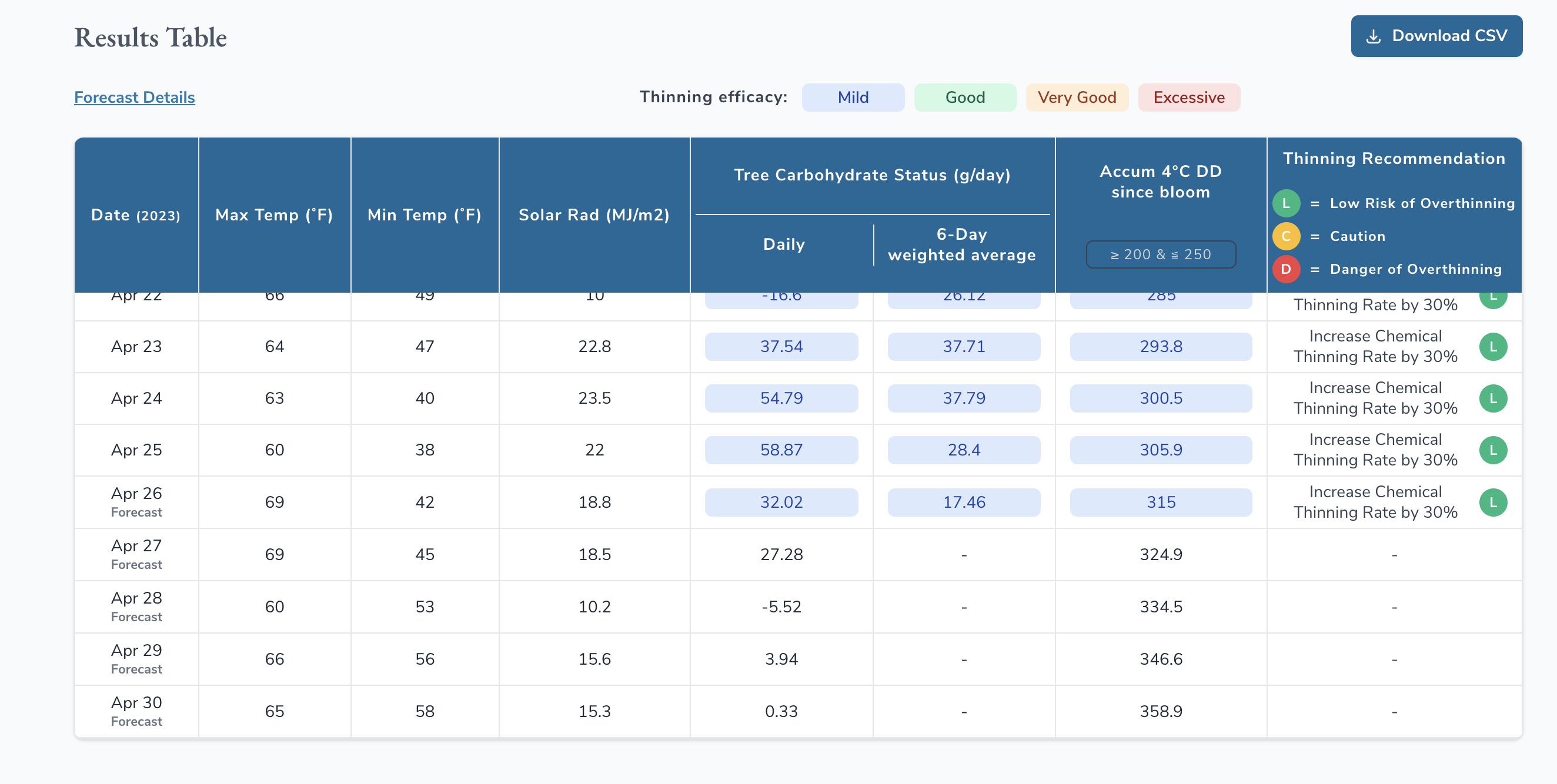
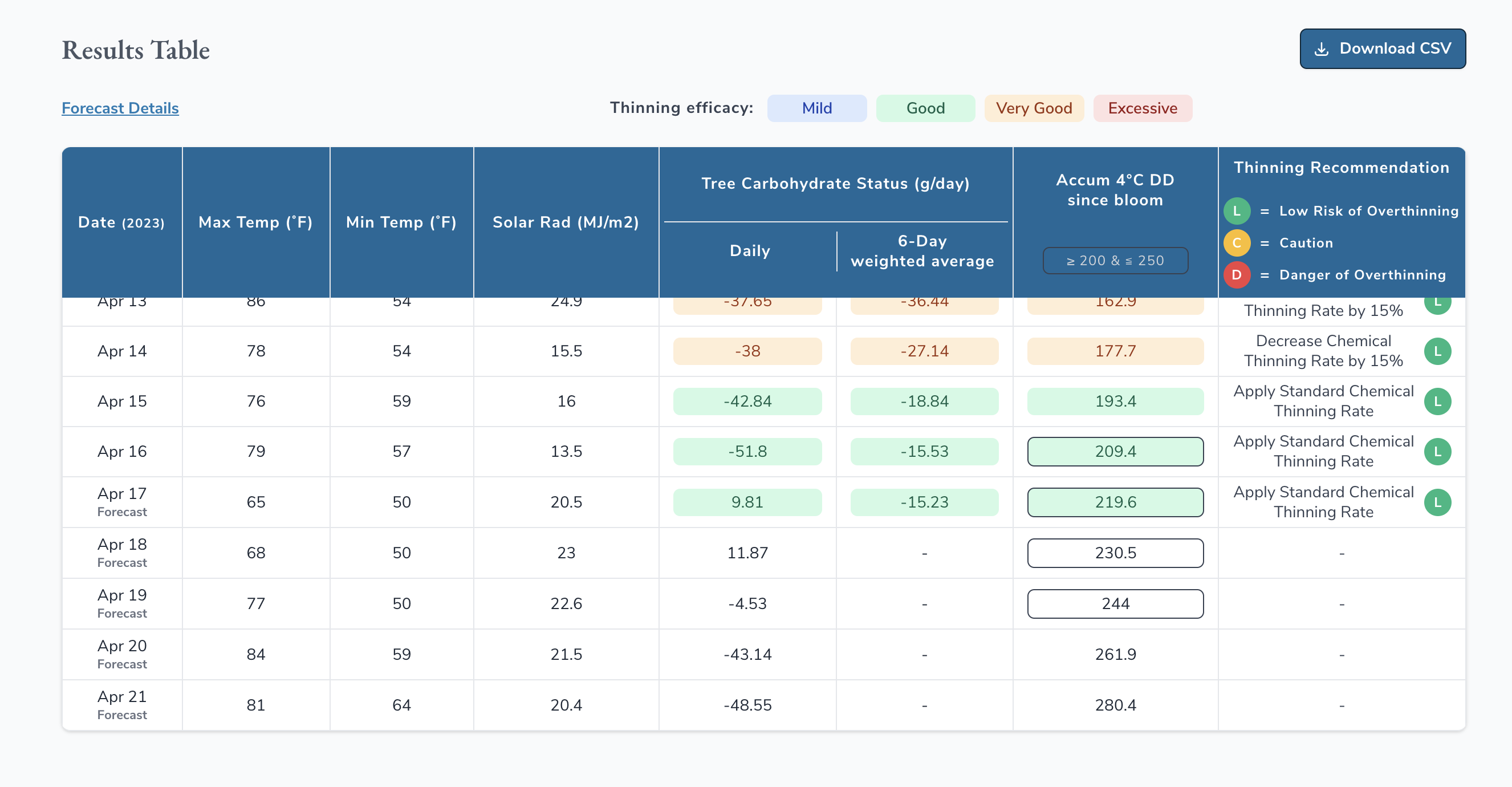
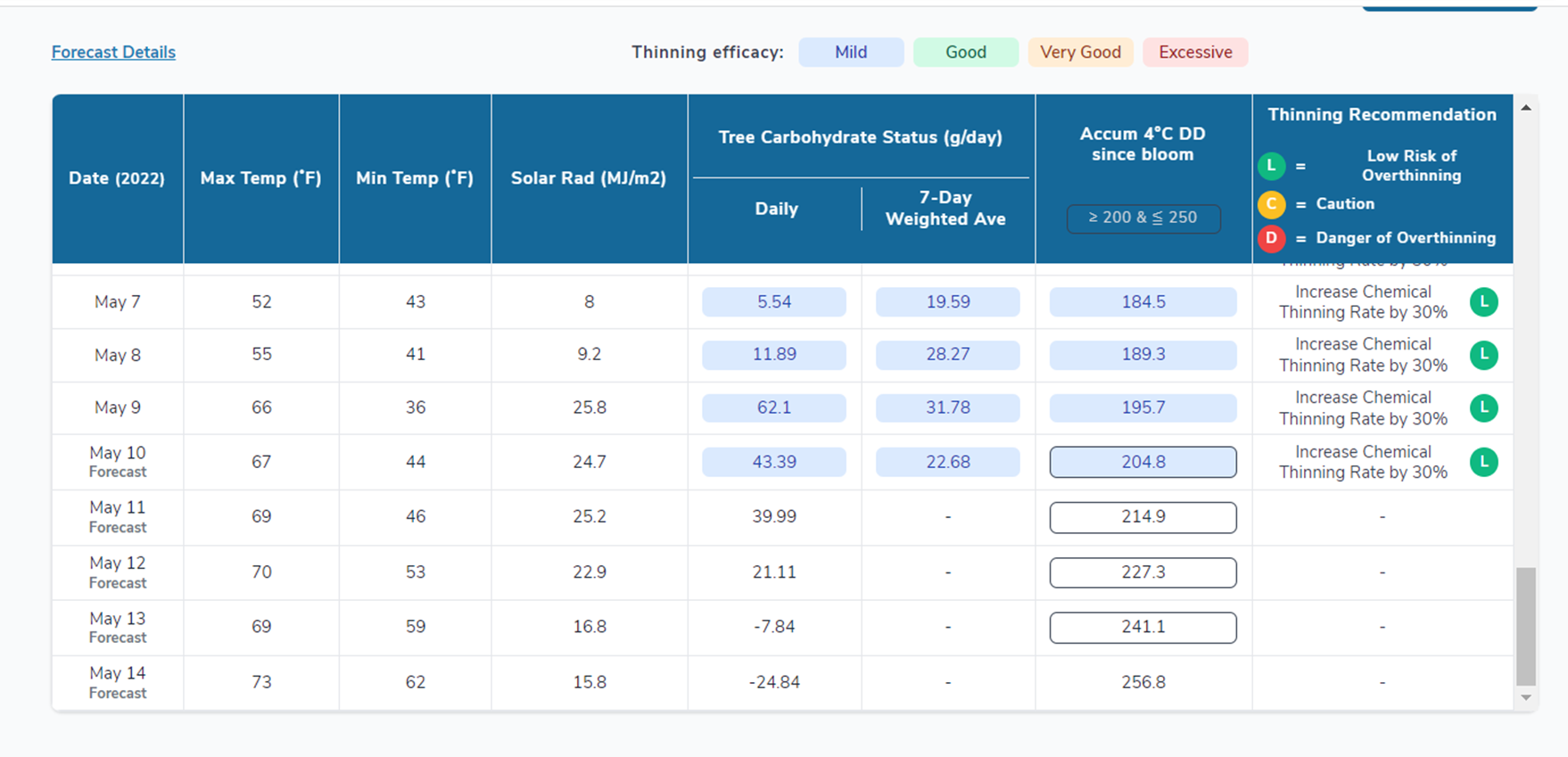
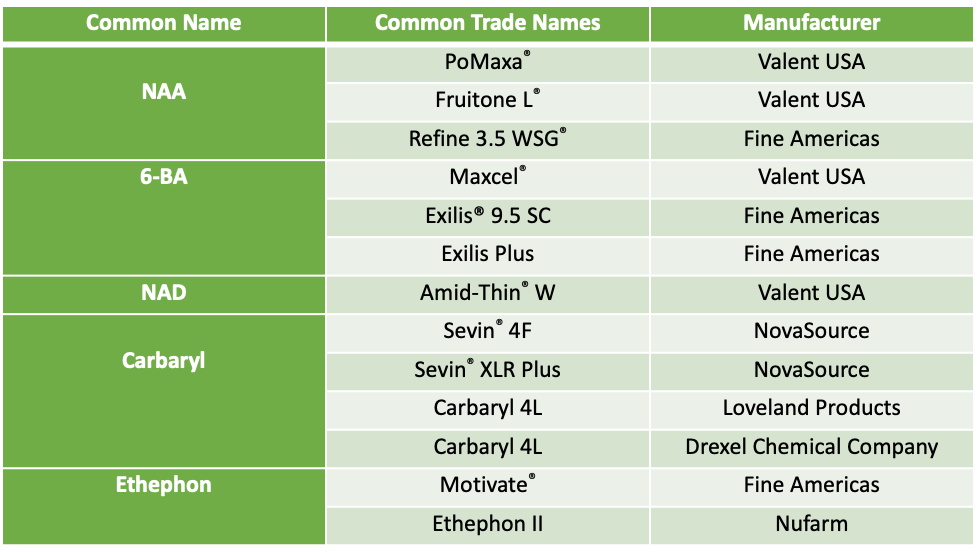
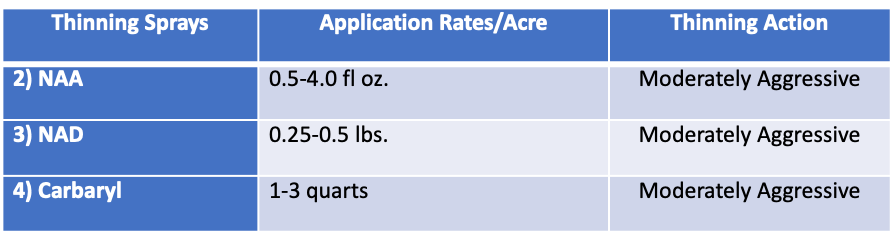
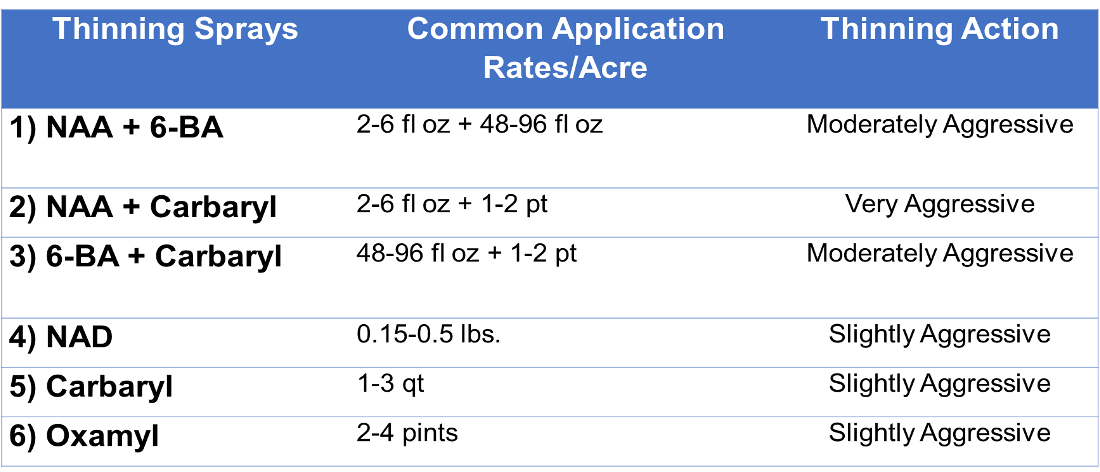
I ran the carbohydrate thinning model last week using Gala green tip on March 12 and full bloom on April 7, and at that time we were sitting in a pretty severe carbohydrate deficit. That kind of deficit typically drives natural fruit drop, which is why I recommended holding off on any thinning applications last week. I ran the model again today, and the picture has shifted quite a bit. Conditions from Wednesday (April 22) through Saturday (April 25) look like a good window for your main thinning sprays. We’re right in that 6–15 mm fruit size range, the carbohydrate balance has moved into a slight surplus, and temperatures in the 80–85°F range are about as good as it gets for activity from materials like 6-BA and NAA. The model is suggesting an increase in rates by about 30%, but I wouldn’t push it. In my opinion, sticking with your normal rates should be sufficient given how conditions are lining up.
If you already applied thinners last week, I would expect you’ll start seeing a response soon, likely combined with some natural drop—especially in clusters with smaller fruitlets. In that case, I’d hold off and give it some time before making another pass. Waiting until around the middle of next week, say Wednesday or Thursday, should give you a better sense of how things are settling before deciding on any follow-up. Looking ahead, the forecast is calling for some cloudy days next week, which could bring us back into a mild carbohydrate deficit. That may actually help with thinning if additional adjustments are needed.

Carbohydrate thinning model outputs based on Gala with green tip on March 12, full bloom on April 7, and using the Roseland weather station.
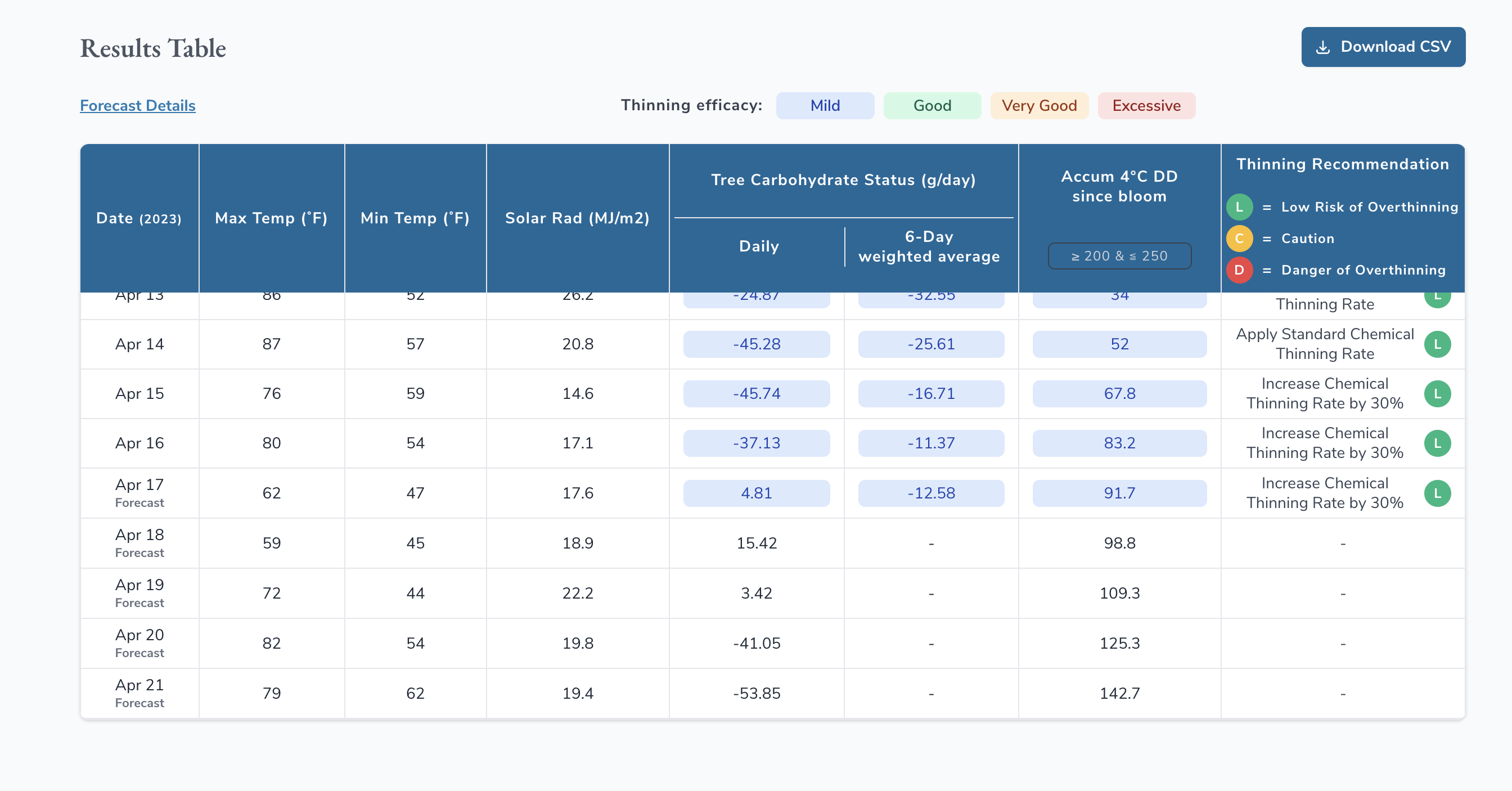
Also, if your green tip and full bloom dates are within about ±3 days of the ones I used, you can still rely on these outputs with reasonable confidence. If your dates differ more than that, it’s best to run the model yourself using the nearest weather station and your exact phenology dates. You can access the model here: https://newa.cornell.edu/apple-carbohydrate-thinning
Overall, this is one of those seasons where variability is driving everything. Some blocks are done, others still need full management. Take a close look at your own situation before making any decisions, and as always, I’ll keep sharing updates as we move forward.